The Hidden Risks of Damaged Retaining Walls and How to Spot Them Early

Retaining walls play a crucial role in protecting your property by holding back soil and preventing erosion. When these walls become damaged, they pose serious risks not only to your landscaping but also to the stability of your home’s foundation. Many homeowners overlook the early signs of damage, which can lead to costly repairs or even structural failure. Understanding the dangers of damaged retaining walls and knowing what to look for can save you time, money, and stress.
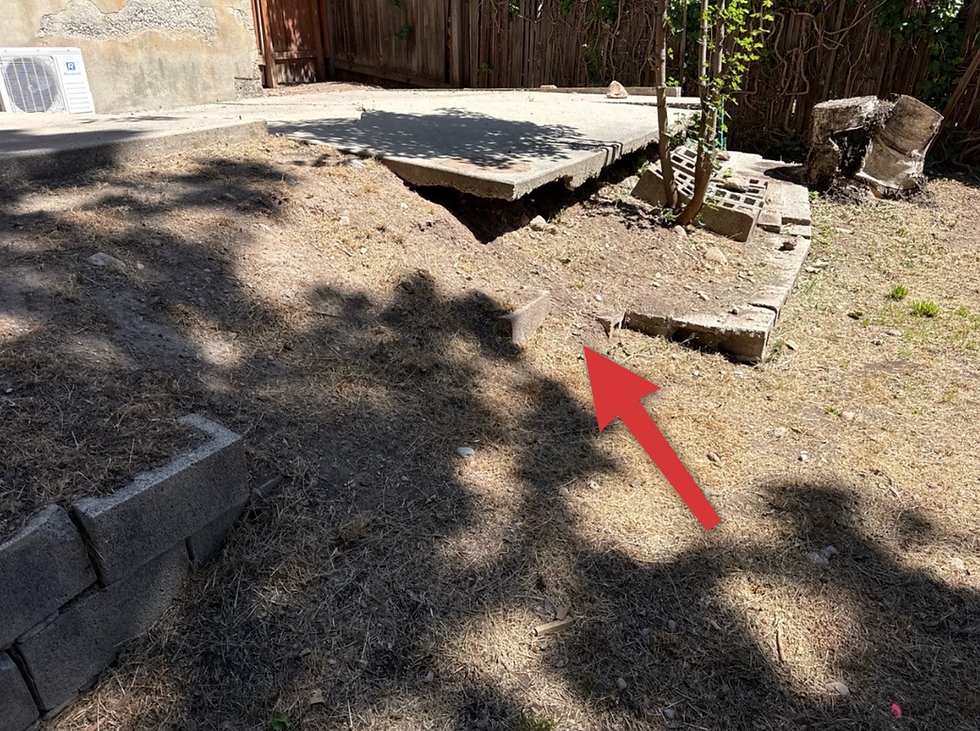
Damaged retaining wall with visible cracks and leaning sections in a residential backyard
Why Retaining Walls Matter for Property Stability
Retaining walls are designed to hold back soil on sloped land, preventing it from sliding or eroding away. This function is vital for:
Protecting your home’s foundation from shifting soil pressure
Maintaining the integrity of your landscaping and garden beds
Preventing water runoff that can cause flooding or soil loss
When a retaining wall fails, the soil behind it can move unpredictably. This movement can damage nearby structures, including your home’s foundation, driveways, and patios. The risk increases with the height of the wall and the type of soil it holds back.
Common Signs of Damage to Look For
Early detection of retaining wall damage can prevent more serious problems. Watch for these warning signs:
Cracks in the wall: Horizontal, vertical, or stair-step cracks indicate stress or movement.
Leaning or bulging walls: Walls that tilt forward or bulge outward show that the soil pressure is pushing against them.
Soil erosion or washouts: Noticeable soil loss near the base or behind the wall suggests drainage issues.
Water pooling or drainage problems: Poor drainage can weaken the wall’s structure.
Loose or missing blocks or stones: Displaced materials reduce the wall’s strength.
Gaps between the wall and adjacent structures: Separation can signal shifting or settling.

If you spot any of these signs, it’s important to act quickly to assess the damage.
What Happens If You Ignore Damaged Retaining Walls
Ignoring damage can lead to serious consequences:
Soil erosion: Without a stable wall, soil can wash away, damaging landscaping and creating uneven ground.
Foundation instability: Shifting soil can cause cracks in your home’s foundation, leading to costly repairs.
Structural failure of the wall: A collapsing wall can damage property, injure people, and require complete rebuilding.
Water damage: Poor drainage behind a damaged wall can cause water to seep into basements or crawl spaces.
Decreased property value: Visible damage and safety risks can lower your home’s market appeal.
For example, a homeowner in a hilly area ignored early bulging in their retaining wall. After heavy rains, the wall collapsed, washing away part of the garden and causing foundation cracks that cost tens of thousands to repair.
Tips for Maintaining Your Retaining Wall
Regular maintenance can extend the life of your retaining wall and prevent damage:
Inspect your wall twice a year: Look for cracks, leaning, or displaced materials.
Ensure proper drainage: Clear debris from drainage pipes and weep holes to prevent water buildup.
Control vegetation: Remove large roots growing near or through the wall, as they can cause cracks.
Avoid heavy loads near the wall: Don’t park vehicles or place heavy objects close to the wall’s edge.
Repair minor cracks promptly: Small cracks can be sealed to prevent water infiltration.
Keep soil levels stable: Avoid adding excessive soil or materials behind the wall without professional advice.
When to Call a Professional
Some damage requires expert evaluation and repair. Contact a professional if you notice:
Large cracks or significant leaning
Wall movement after heavy rain or storms
Signs of foundation damage in your home
Drainage problems that you cannot fix yourself
A retaining wall over 4 feet tall showing signs of failure
Professionals can assess the wall’s condition, recommend repairs, and ensure the structure meets safety standards. They may suggest reinforcement, rebuilding, or installing proper drainage systems.


Comments