Hidden Water Line Leaks: Unseen Dangers and Long-Term Damage to Your Home
Water line leaks inside walls or underground can remain hidden for years, quietly causing serious damage to your home. Because these leaks often go unnoticed, they create problems that grow worse over time, leading to costly repairs and health risks. Understanding the risks and signs of hidden water line leaks can help homeowners protect their property and avoid expensive surprises.
Why Hidden Water Line Leaks Are a Serious Problem
Water lines supply your home with clean water, but when they develop leaks inside walls, under floors, or underground, the damage is not immediately visible. Unlike dripping faucets or puddles, these leaks can remain concealed for months or years. The water slowly seeps into building materials, weakening structures and encouraging mold growth.
Some reasons hidden leaks are dangerous include:
Structural damage: Water softens wood, drywall, and insulation, causing warping, rotting, and crumbling.
Mold and mildew: Moist environments promote mold growth, which can affect indoor air quality and cause health issues.
Increased water bills: Even small leaks waste gallons of water daily, raising utility costs.
Electrical hazards: Water near wiring or outlets increases the risk of short circuits or fires.
Because the damage accumulates slowly, many homeowners only discover the problem after significant harm has occurred.

Common Causes of Hidden Water Line Leaks
Leaks inside walls or underground often result from:
Aging pipes: Older copper or galvanized pipes corrode and develop pinhole leaks.
Poor installation: Faulty joints or connections can fail over time.
Ground movement: Soil shifting or settling can stress pipes, causing cracks.
Freezing temperatures: Frozen water expands and cracks pipes, leading to leaks when thawed.
Tree roots: Roots can grow around underground pipes, causing breaks or blockages.
Knowing these causes helps homeowners identify potential risk areas and take preventive action.
Signs You May Have a Hidden Water Line Leak
Since leaks inside walls or underground are not visible, look for these warning signs:
Unexplained increase in water bills: A sudden spike without increased usage often indicates a leak.
Damp or discolored walls and ceilings: Water stains, bubbling paint, or peeling wallpaper suggest moisture behind surfaces.
Musty odors: Persistent damp smells can signal mold or mildew growth.
Warped floors or baseboards: Moisture causes wood to swell or buckle.
Sound of running water: Hearing water flow when no taps are open may mean a leak.
Low water pressure: Leaks reduce water flow to faucets and showers.
If you notice any of these signs, it is wise to investigate further or call a professional plumber.

How Hidden Leaks Cause Long-Term Damage
When water leaks inside walls or underground, it affects your home in several damaging ways:
Structural Weakening
Water saturates wood framing, drywall, and insulation. Over time, this causes:
Wood rot and decay, weakening beams and studs
Drywall crumbling and loss of integrity
Insulation losing effectiveness, increasing energy costs
This damage compromises the safety and stability of your home’s structure.
Mold Growth and Health Risks
Moisture trapped inside walls creates an ideal environment for mold. Mold spores can spread through the air, causing:
Allergies and respiratory problems
Asthma attacks
Other health issues, especially for children, elderly, or those with weakened immune systems
Mold remediation is costly and time-consuming, so preventing leaks is critical.
Damage to Flooring and Finishes
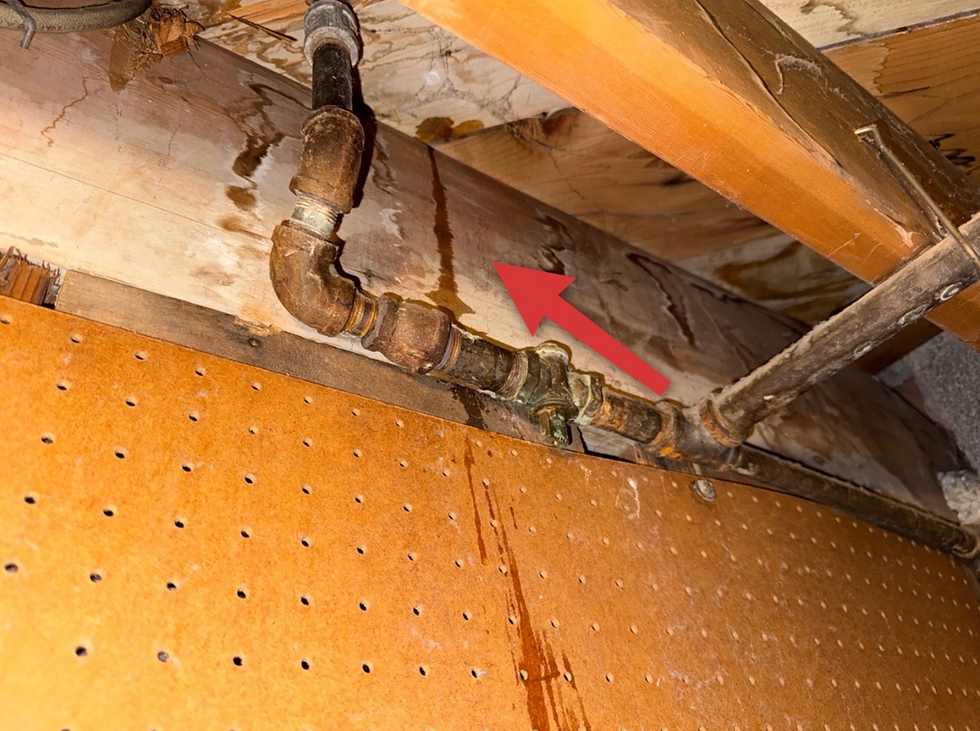
Water leaking under floors or behind walls can cause:
Warped hardwood or laminate flooring
Stained or buckled carpets
Peeling paint and wallpaper
These issues reduce your home’s aesthetic appeal and require expensive repairs.
Electrical Safety Hazards
Water near electrical wiring or outlets increases the risk of:
Short circuits
Electrical fires
Shock hazards
This danger makes early leak detection essential for safety.
What Homeowners Can Do to Prevent and Detect Hidden Leaks
Preventing and catching hidden water line leaks early can save thousands in repairs. Here are practical steps:
Regular inspections: Have a licensed plumber inspect your pipes every few years, especially if your home is older.
Monitor water bills: Track monthly usage and investigate sudden increases.
Look for moisture signs: Check walls, ceilings, and floors regularly for dampness or discoloration.
Install leak detectors: Devices placed near water lines can alert you to leaks early.
Maintain pipes: Insulate pipes in cold areas to prevent freezing and bursting.
Address plumbing issues promptly: Fix dripping faucets, running toilets, or slow drains quickly.
Taking these actions helps catch leaks before they cause major damage.
When to Call a Professional
If you suspect a hidden water line leak but cannot locate it, call a professional plumber. They use tools like:
Thermal imaging cameras to detect moisture behind walls
Acoustic leak detectors to hear water escaping pipes
Video pipe inspection cameras to view inside pipes
Early professional detection prevents costly repairs and protects your home’s value.


Comments